Ceylon Cinnamon Guide
Ceylon Cinnamon,
Explained.
A buyer’s guide to true cinnamon — what it is, how it differs from cassia, how Sri Lankan quills are graded, and what to ask before you buy.
The Basics
What is Ceylon cinnamon?
Ceylon cinnamon is the dried inner bark of Cinnamomum verum — often called “true cinnamon” — a tree native to Sri Lanka.
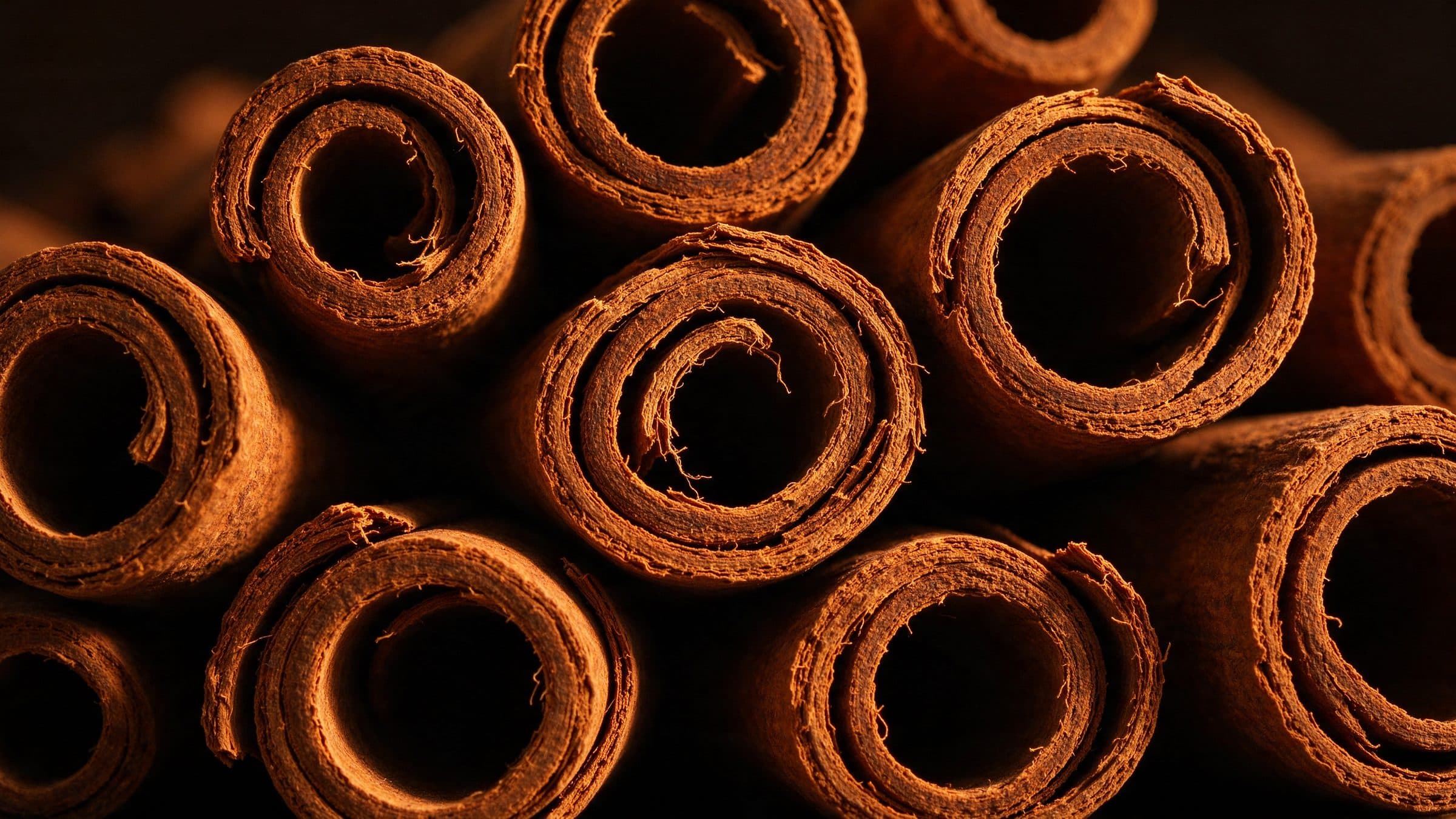
The name comes from Ceylon, as Sri Lanka was known until 1972. The bark is peeled in fine sheets, layered and rolled into slender quills, which gives Ceylon cinnamon its delicate texture and its warm, sweet, gently complex aroma.
Much of the cinnamon traded worldwide is in fact cassia, from related Cinnamomum species. Both are often labelled simply “cinnamon”, which is why serious buyers ask about species and origin first.
Ceylon vs Cassia
Two spices sold as cinnamon.
Side by side, the differences are easy to see, feel and taste — and they matter to anyone buying for a specific market or recipe.
| Ceylon cinnamon | Cassia | |
|---|---|---|
| Botanical name | CeylonCinnamomum verum (syn. C. zeylanicum) | CassiaCinnamomum cassia and related species |
| Main origin | CeylonSri Lanka | CassiaChina, Indonesia and Vietnam |
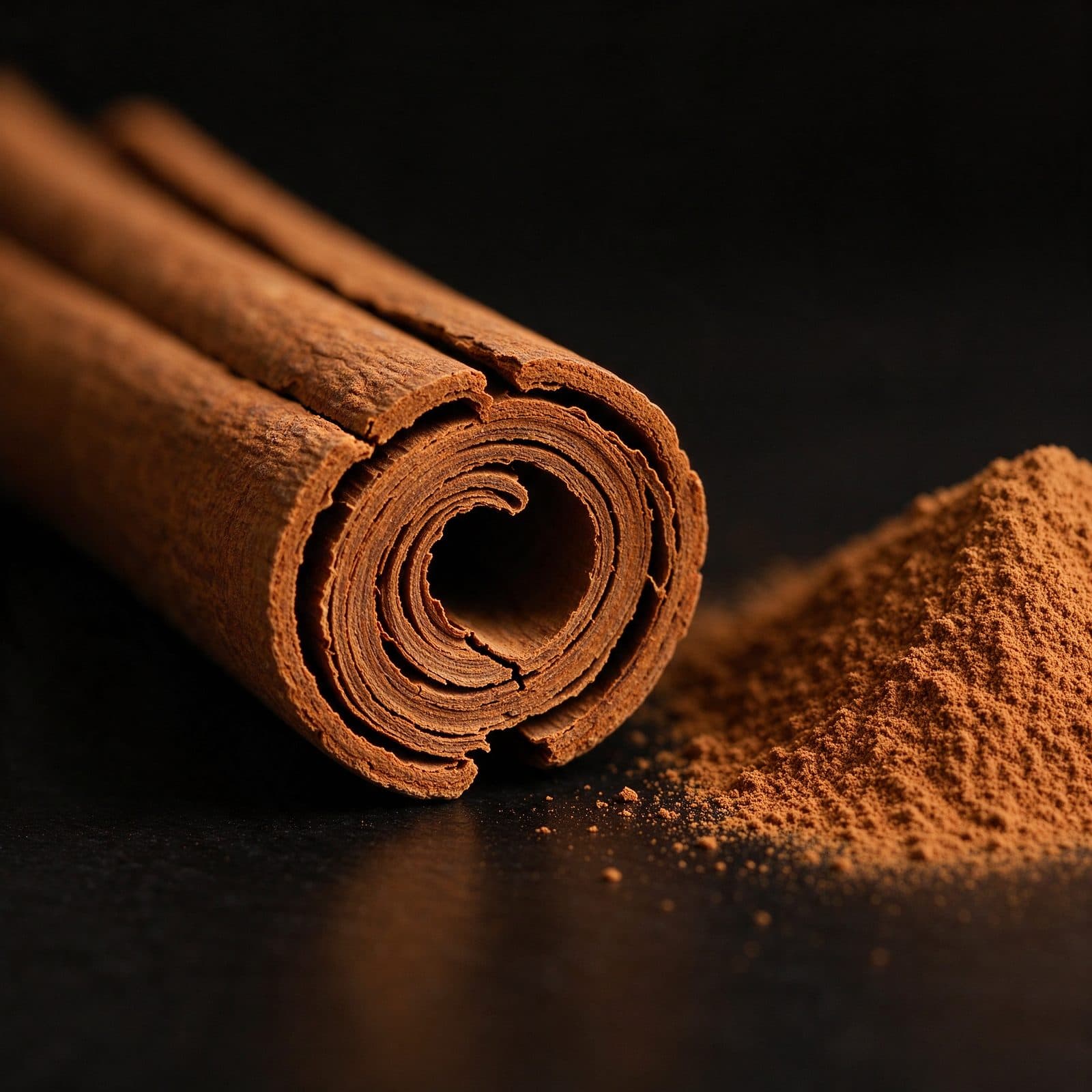
| Quill structure | CeylonMany thin, papery layers rolled together | CassiaOne thick layer of bark, curled inward |
| Texture | CeylonBrittle — breaks and grinds easily | CassiaHard and woody |
| Colour | CeylonLight tan to golden brown | CassiaDarker, reddish brown |
| Flavour & aroma | CeylonDelicate, sweet and layered | CassiaStrong, pungent and spicy |
| Coumarin | CeylonLow levels | CassiaConsiderably higher levels |
Coumarin comparison as described by Germany’s Federal Institute for Risk Assessment (BfR). Levels vary between samples — ask for laboratory reports where your market requires them.
Grading
How Sri Lankan cinnamon is graded.
Sri Lanka grades cinnamon quills under its national standard, SLS 81, mainly by quill diameter, together with appearance and quality. Broken pieces and the bark of thinner shoots are traded separately as quillings, featherings and chips.
CYORA’s cinnamon sticks and powder are specified as Grade C5, in the Continental group. Specification sheets are shared on request.
Alba
The finest, thinnest quills — up to about 6 mm in diameter.
Continental
Fine quills, with grades such as C5 and C4. CYORA’s products are specified as Grade C5.
Mexican
Medium-thickness quills, graded with M designations.
Hamburg
The thickest, coarsest quills, graded with H designations.
In the Kitchen & Beyond
How Ceylon cinnamon is used.
Baking & desserts
Cakes, pastries, puddings, custards and fruit dishes, where a gentle, sweet warmth is wanted.
Hot drinks
Tea, coffee, mulled drinks and spiced milk — whole quills infuse slowly and cleanly.
Savoury cooking
Curries, rice dishes, stews and spice blends.
Food manufacturing
Bakery, confectionery, beverage and seasoning applications, matched to an agreed ingredient specification.
Buying in Bulk
What to ask a Ceylon cinnamon supplier.
Whether you import by the container or buy for a private-label range, these are the details that separate a clear offer from a vague one. We expect to be asked all of them.
Our Approach to QualitySpecies & origin
Confirmation that the product is Cinnamomum verum of Sri Lankan origin.
Grade & specification
The grade and a written specification sheet for the product you are buying.
Lot parameters
Values such as moisture, stated per lot rather than implied by a label.
Laboratory reports
Test reports relevant to your market and application.
Packaging & storage
Packaging format, inner liners and storage guidance.
Export documents
The documents your destination requires, confirmed before shipment.
Questions
Frequently asked questions.
Short answers to what buyers most often ask about Ceylon cinnamon and about working with CYORA.
What is Ceylon cinnamon?
Ceylon cinnamon is the dried inner bark of Cinnamomum verum, a tree native to Sri Lanka. Often called “true cinnamon”, it is known for thin, layered quills and a delicate, sweet flavour.
What is the difference between Ceylon cinnamon and cassia?
Ceylon cinnamon (Cinnamomum verum) comes mainly from Sri Lanka and forms thin, brittle quills made of many papery layers, with a delicate, sweet flavour. Cassia comes from related species grown mainly in China, Indonesia and Vietnam; its quills are a single thick, hard layer with a stronger, more pungent flavour. Both are often sold simply as “cinnamon”.
Why is it called Ceylon cinnamon?
Ceylon was the name of Sri Lanka until 1972. The spice kept the name, and “Ceylon cinnamon” is still used for cinnamon of the Cinnamomum verum species, particularly from Sri Lanka.
Does Ceylon cinnamon contain less coumarin than cassia?
Germany’s Federal Institute for Risk Assessment (BfR) describes Ceylon cinnamon as containing only low levels of coumarin, while cassia contains considerably more. Levels vary between samples, so buyers with specific requirements should ask for laboratory test reports.
What does Grade C5 mean?
Sri Lanka grades cinnamon quills under its national standard, SLS 81, mainly by quill diameter. Grades fall into four groups — Alba, Continental, Mexican and Hamburg — from finest to coarsest. C5 is a grade in the Continental group. CYORA’s cinnamon sticks and powder are specified as Grade C5.
View product specificationsHow should cinnamon be stored?
Keep cinnamon in airtight packaging in a cool, dry, dark place, away from strong odours. Whole quills generally hold their aroma longer than powder.
Does CYORA supply Ceylon cinnamon wholesale and for export?
Yes. CYORA offers Ceylon cinnamon sticks and pure Ceylon cinnamon powder from Sri Lanka to importers, distributors, wholesalers, retailers and food manufacturers. Quotations are based on product, quantity, packaging and destination.
Send a wholesale enquiryCan CYORA supply private-label cinnamon packaging?
Packaging options include bulk cartons, retail packs and private-label packaging. Format, labelling and market requirements are agreed with each buyer.
See packaging optionsCan I request a sample?
Yes. Samples can be requested so you can evaluate the product before ordering, subject to availability and agreed terms.
Request a sampleWhich export documents can be provided?
Export shipments typically involve documents such as a commercial invoice, packing list, certificate of origin and phytosanitary certificate. Requirements vary by destination and are confirmed per order.
Request documentsHow do I contact CYORA?
You can email sales@cyoracinnamon.com, message +94 77 959 7106 on WhatsApp or use the enquiry forms on this website.
Contact CYORASourcing Ceylon cinnamon for your market?
Tell us your product, quantity, packaging and destination, and we will reply with clear information and a considered proposal.